
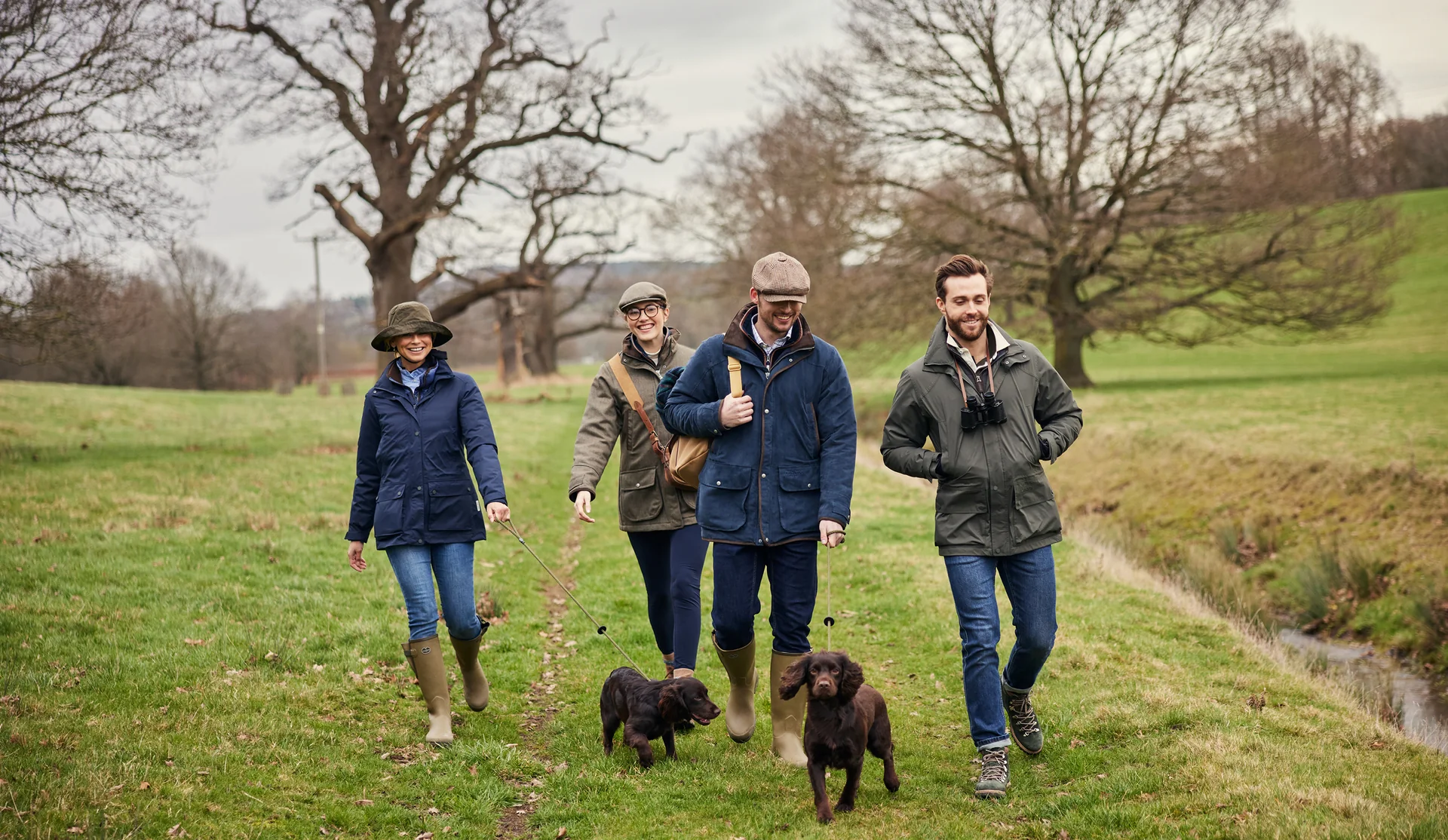
Kent’s countryside is alive with crisp air, changing leaves, and the distinct sound of autumn game season. From the chalky downs to the marshes of the north coast, this is one of the most rewarding times of year to be out in the field. Whether you’re an experienced shot or a newcomer learning the local seasons, knowing what’s in-season — and where to focus your time — is key to a successful November.
The Hunting Landscape in Kent
Kent offers a rich mix of habitats, from lowland farmland and woodland coverts to coastal wetlands and estuaries. These landscapes attract a wide variety of quarry species, meaning that November provides some of the most diverse opportunities of the year.
While organised shoots are common across estates and farms, there’s also scope for rough shooting and wildfowling, provided you have the correct permissions. As always, ensure you hold the right licences, insurance, and landowner consent before heading out.

What’s in Season This Month
November is prime time for game and wildfowl shooting. Here’s what’s typically open across Kent and the wider South East:
- Pheasant: open from 1 October to 1 February
- Red-legged & Grey Partridge: open from 1 September to 1 February
- Woodcock: open from 1 October to 31 January
- Duck & Goose (inland): open from 1 September to 31 January
- Deer (varies by species): most male deer seasons are open; female seasons begin this month for several species
- Rabbit & Hare: available year-round on most land, though check local restrictions
(Note: Always confirm local by-laws and seasonal adjustments — these dates are based on general English regulations.)
Week-by-Week November Schedule
Early November (1–10 November)
Pheasant and partridge drives are now well underway. Birds are strong on the wing, and cover crops are still thick enough to provide good sport. This is also an excellent time for wildfowl, particularly in the wetter inland areas around the Medway and Romney Marsh. Early mornings and late afternoons often bring the best results.
Mid-November (11–20 November)
As temperatures drop, birds hold tighter in cover and woodcock numbers begin to rise. Try mixed days — a combination of driven pheasant in the morning and flighting ducks or geese in the evening. If you stalk deer, this is an ideal time to observe movement patterns as food sources shift.
Late November (21–30 November)
With daylight shrinking, shoots tend to start earlier. Birds are now more predictable, and the fields quieter, which can make for fine sport. Coastal wildfowlers will find increasing numbers of birds along Kent’s tidal flats and estuaries, while woodland guns can expect more frequent woodcock sightings.
Key Areas to Explore
The North Downs: Ideal for traditional driven pheasant days, offering rolling terrain and mature woodland.
Romney Marsh: A hotspot for duck and goose shooting, particularly after cold weather fronts.
Weald of Kent: Known for its patchwork fields and hedgerows, perfect for walked-up shooting.
Coastal Flats near Whitstable and Sheppey: Suitable for experienced wildfowlers under the right conditions.
Each area has its own local clubs and syndicates; joining one can help you access permissions and meet like-minded shooters.
Responsible & Ethical Shooting
Hunting in Kent’s countryside comes with a responsibility to preserve wildlife and respect rural communities.
Keep these principles in mind:
- Safety first: Always be aware of nearby paths and public access areas.
- Respect the quarry: Take clean, ethical shots only within your capability.
- Waste nothing: Prepare and eat what you shoot — wild game is one of the most sustainable meats available.
- Mind the environment: Avoid disturbing livestock, leave gates as you find them, and minimise vehicle impact on wet ground.
Good sportsmanship and careful stewardship ensure these traditions continue for generations to come.